
Allegations of historical distortion surrounding Oli Ahmad’s remarks spark intense debate in political circles.
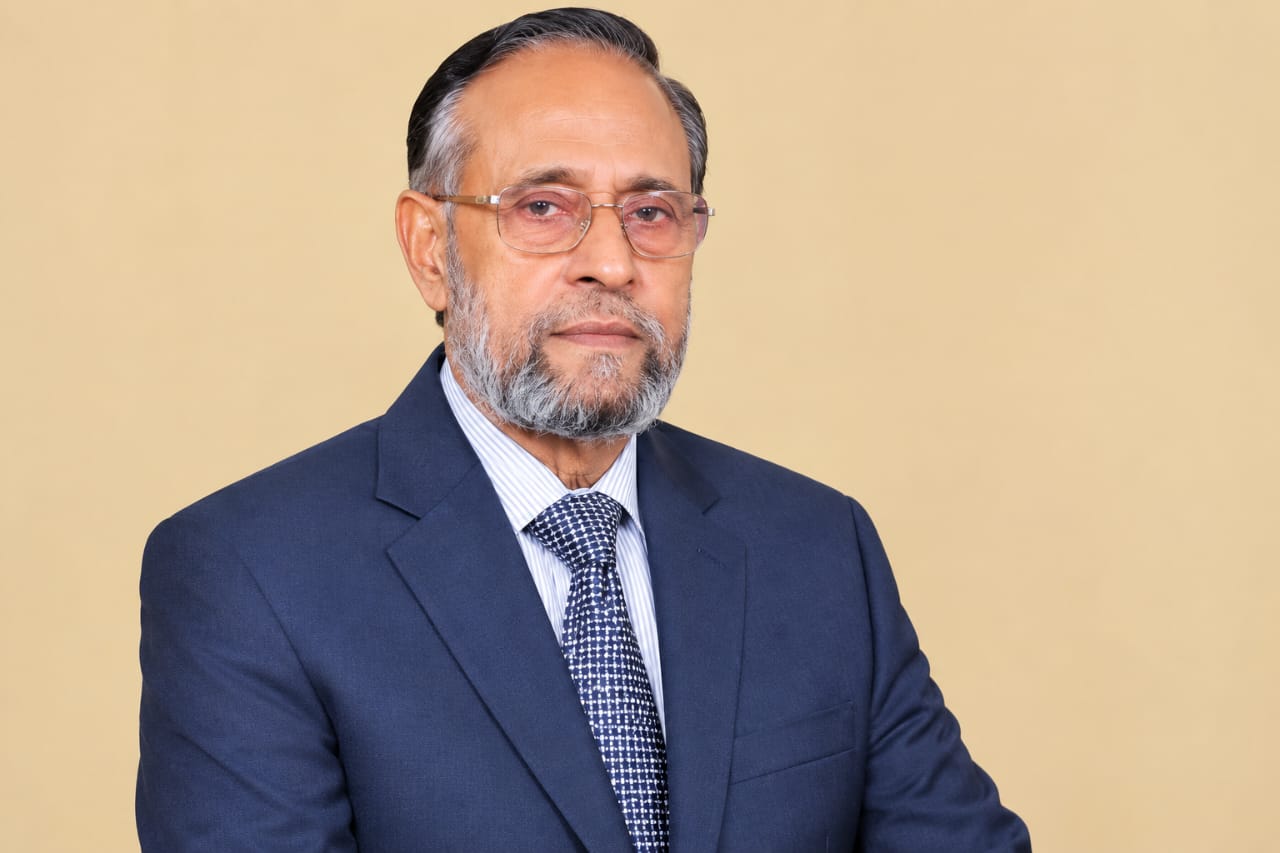
Reported by: Muhammad Raoful Barat Badhon Dhali
A fresh controversy has emerged in the political arena centering on recent remarks made by LDP Chairman Colonel (Retd.) Oli Ahmad regarding the history of the Liberation War and the events of March 1971. Various parts of his statements have sparked criticism across social media and political circles.
In a recent statement, Oli Ahmad highlighted his own role regarding the events of March 26, 1971, while also presenting his views on the role of the then-military officer Ziaur Rahman. Driven by a desperate ambition to become President, he spoke about Tarique Rahman and made derogatory remarks about Awami League President Sheikh Hasina.
Furthermore, by associating with pro-Pakistan Razakars (collaborators), he has tarnished the spirit of 1971. Renewed discussions on the matter began after his statements were published in various media outlets.
Following Oli Ahmad's remarks, some critics have argued that presenting a pivotal event in national history—such as the Liberation War—through personal statements or political narratives can lead to confusion regarding historical facts. Some have even characterized his statements as attempts to distort history.
On the other hand, Oli Ahmad's supporters maintain that he played a significant role during the military mutiny in Chattogram in March 1971 and at the onset of the Liberation War. Various news reports have identified him as a sub-sector commander during the war and a freedom fighter honored with the 'Bir Bikram' title.
Determining the veracity of historical events requires reviewing contemporary records, government documents, eyewitness accounts, and recognized historical research alongside personal statements. Consequently, it is essential to verify—based on documentary evidence—which parts of Oli Ahmad's statements align with historical records and which parts remain contentious.
Many in political circles believe that, despite differing opinions on the history of the Liberation War, the issue should be discussed in light of documentary evidence, historical facts, and research, rather than through personal attacks.
Copyright © 2026 E-JOYPURHAT PRATIDIN. All rights reserved.
 প্রিন্ট করুন
 সেভ করুন